Choosing the Right Mobile Phone For You

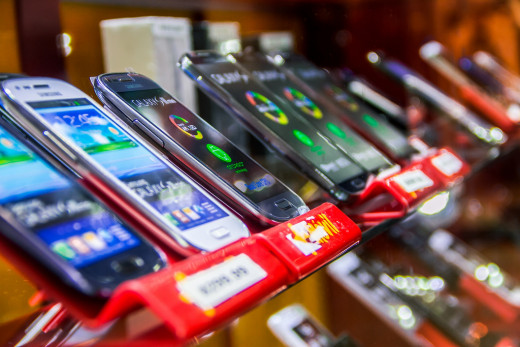
As with any fast moving industry, it is all too easy to get completely lost while looking at all the shiny new phones on display at the store. In this hub I intend to help you sift through all the features, understand most of the jargon and ultimately, find the right phone for you.
Who are you?
One of the biggest things that will determine what kind of phone you should get is who you are. Look inside yourself a moment and gauge your interests and habits. Are you a more technically inclined person? A business person who is constantly chasing work? Are you a younger person just looking to play games and talk to friends? Every one of these highly effects which phone would be the best fit for you; though, these lines are all blurring more and more as the phones move along in their advances.
What do you do?
This one will tie in very closely with who you are. What do you do for work? Education - are you still in a school of any sort? Will you use your phone more for pleasure or work? Since every person's application and use will be different unfortunately, I cannot make blanket recommendations. I will make a few generalizations as you will read below.
What is 3g/4g?
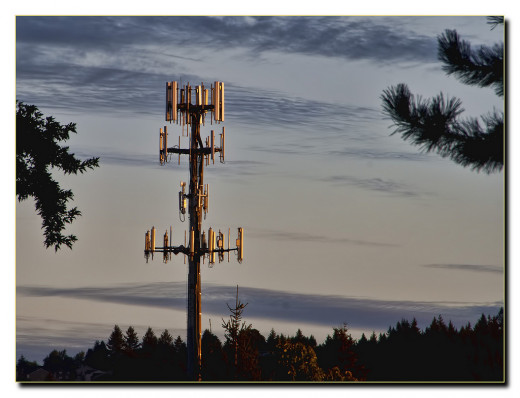
There are many types of cellular networks in use today. 3g and 4g are the most common terms we will hear today. These terms are used to describe wireless data networks of the 3rd and 4th Generation. Data networks allow internet access over your cell connection anywhere that connection exists - which is just about everywhere these days.
"3g" is the slower of the two, running on average 1-2Mbps. To put this into perspective, the average home internet connection in America is 10Mbps. Don't let this fool you though, most of the internet has a dumbed-down version designed specifically for mobile devices that is stripped of Ads and heavy-hitting code, making the pages render at times faster than your home computer would open them.
"4g" is the next step up from 3g; the International Telecommunications Union defines 4g as "any technology exceeding 3g speeds." There are two primary types of 4g that we see in the U.S., as listed below:
"HSPA+" or High Speed Packet Access - Extended, is the slower of the 4g technologies. HSPA+ does provide better battery life though, because of the "weaker" radios required for it, and is available in more places than LTE. Typical HSPA+ speeds will be anywhere from 6Mbps through 16Mbps.
"LTE" or Long Term Evolution, is the faster version of 4g data. All 4 major carriers in the U.S. now operate their own 4g LTE networks; though, LTE is not available everywhere as of yet. That being said, both Verizon and T-Mobile are nearing closing the gap toward full U.S. LTE coverage. Typical speeds on an established LTE network can range from 15-42Mbps!
Data charges on most networks will be the same whether you choose a handset that utilizes primarily their 3g or 4g network, and all 4g handsets available are backwards compatible with the carrier's 3g network, so when 4g isn't available, you will still have a data connection. Long story short here, always opt for a 4g capable device if available on your network.
Android
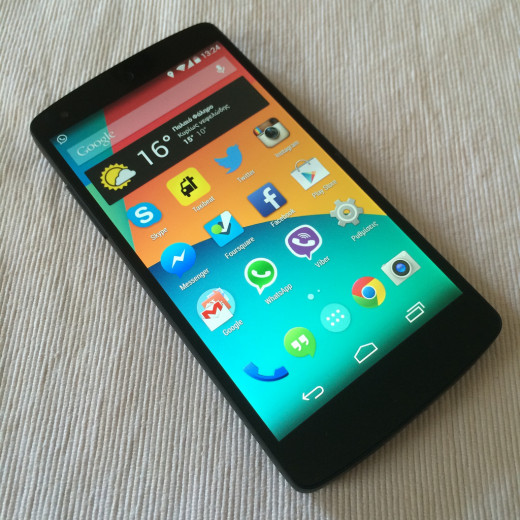
Android is an open-source operating system and software package developed by Google and distributed by the "Open Handset Alliance," which consists of Google, HTC, Samsung, Motorola and LG.
Android is the number one mobile operating system on that market at this time, dominating over 80% of the US mobile market. With Android's premium handset offerings, it is not hard to see why. Here are some common features found in Android phones:
- 4g capabilities on almost all new models.
- "Gorilla Glass" - an ultra-tough, scratch-and-break-resistant glass used for displays.
- Larger displays, some reaching to 5.5inches!
- Premium hardware, with processors available reaching 2.5Ghz Quad Cores, and 3GB of RAM.
Apps:
With over 500,000 applications available on the Android App Market, there is almost nothing you'd want to do that you couldn't say, "There's an App for That." The majority of these apps are available for free download on Google's Play Store.
With Android you will also get to experience a type of app called a "Widget." These applications allow you to place a visual extension of it onto your home screen streaming live information available at just a glance.
Customization:
Android is extremely flexible and carries endless potential for customization. For additional customization, many people "root" their Android device, to allow them to have what would be the phone’s equivalent to "System Admin" privileges on your computer. In doing such they can perform some more advanced user tasks such as over-clocking their hardware and deleting "bloatware" or pre-installed apps that you normally wouldn't be able to delete.
User-Driven:
Because of its open source nature there is a large community of "developers" whom will download the source code from Google and tinker with it. They will remove useless or strenuous bits of code and improve on what is already there. This goes a long way and has actually helped Android involve into what it is today - many of Android's current features were born this way. This will also help keep the corporations honest in that we can see every bit of code they put in our phones. Android really is the people’s phone, as much of the operating system was optimized and designed by the users themselves.
Who an Android would best serve:
Android is definitely geared toward a more tech-savvy consumer; though, some manufacturers like Samsung are making strides to make their user interface much more intuitive and easy to use. If you want to play games on a big bright screen that is built into a powerhouse of a phone, check out this year's flagship phone from any of the major players in the Android market.
iOS/iPhone
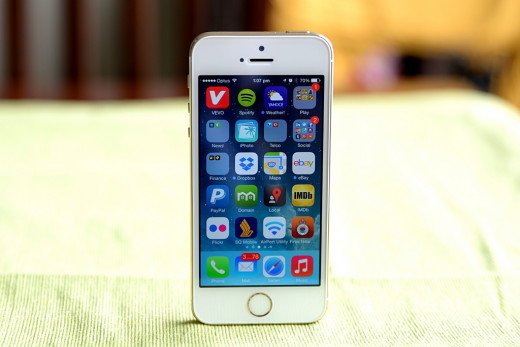
The iPhone is a product and brainchild of Apple Inc. It is known as a closed-source project and almost everything you do with the phone is in a proprietary manner.
iPhone is the number one selling individual phone on the planet and its operating system, iOS is the number 2 selling mobile operating system. The iPhone has a massive following due to its ease of use and its sleek looks. Apple's incredibly skilled marketing department didn't hurt, either. Here are a few features found in the most recent iPhone:
- 4.0 inch display, made of reinforced glass.
- 4g LTE capable, meaning it will have 4g as long as your network supports it.
- Good hardware with the most recent device offering a 1.3ghz dual core processor and 1gb of RAM.
Apps:
Like the Android App Market, The Apple App Store has over 550,000 applications available for download. The main difference you will see is a slight increase in quality of Apps with Apple, as their terms are very strict toward the developers and every app must be individually reviewed and approved by Apple.
You will also notice that 36% of Applications in the App Store are free, compared to Android's 78%.
Customization:
Unfortunately with Apple’s iPhone there is very little customization to be had. You can change your wallpaper and your ring tones, but other than that you’re pretty locked in on this aspect.
Who iPhones would best serve:
iPhones are great for first time smartphone users, and those of lesser technical know-how. iPhones will do everything an Android could do on the day to day basis, but because of its closed source nature customization is out of the question. If you don't care about customization or personalization, this could be the phone for you.
BlackBerry
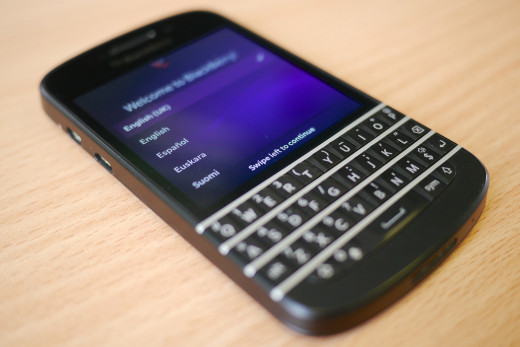
BlackBerry is probably the oldest smartphone contender we have here today. BlackBerry is a creation of Research In Motion, or RIM. Ever see those snazzy phones the business executive or lawyer is using in that movie? Its probably a BlackBerry. BlackBerry is the number choice for business-type people and companies worldwide. Its security and encryption are unparalleled by anyone. Some typical BlackBerry traits:
- Full QWERTY keyboard
- Some newer models will support 4g
- Hardware quality (performance) depends on the model.
Apps:
Like the iPhone and Android, BlackBerry has its own "App World" to purchase apps from. On the down side, there are only about 90,000 to choose from. This is still quite a large number, though.
Who a BlackBerry would best serve:
A BlackBerry is perfect for a business person on the go. Someone who doesn't want ALL the bells and whistles, but to still have a phone that will accomplish what he or she needs to get done.
Windows Phone
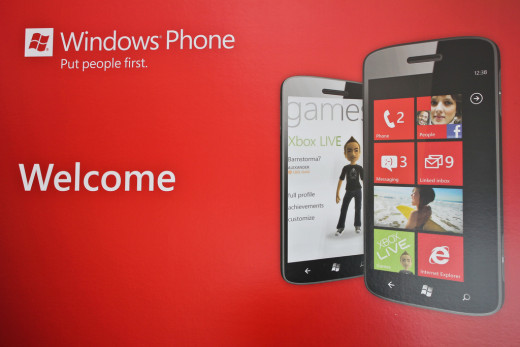
The creation of Microsoft, Windows Phone is a rising beast. It was off to quite a slow start but its momentum is steadily increasing. Microsoft projects Windows to be the number one mobile platform by 2015 – and on an international scale they’re heading that direction; it’s the U.S. market that isn’t jumping ship from their Android or iOS devices. Let's see if Google or Apple will that that sitting down.
For physical features you can refer to Android's typical features, as most of the handset manufacturers cross territory between these handsets.
Apps:
Windows is most known for its Live Tiles on your home screen. These tiles are customizable and could represent almost any app you choose, displaying live information streamed right to your fingertips. Almost like a widget but for any app you choose. Pretty cool, eh?
These phones also allow synchronization with your Windows Live and Xbox Live accounts, allowing you to take your game or conversations anywhere you go. It will also remotely connect to your home computer running Windows 7 or 8 and enable you to access files and other activities as if you were actually sitting at home in front of your computer.
Customization:
Windows phone is much like the iPhone on this front. You can change a handful of things, and organize things a bit better - but that's about it. With its closed source platform, it’s a great thing its super simple and easy to use - you won’t need any further customization than is already allowed.
Who would a Windows Phone best serve:
Windows Phones are a top choice for most professional cell phone companies as corporate phones. For example, AT&T's corporate sales team commonly issues Windows Phones to employees eligible to utilize company phones. Furthermore, anyone can benefit from a Windows phone, they'll do almost anything an Android or iPhone will, including many games. They also have a "Kid Corner" so they're also great for parents with children.
Basic/Multimedia Phones
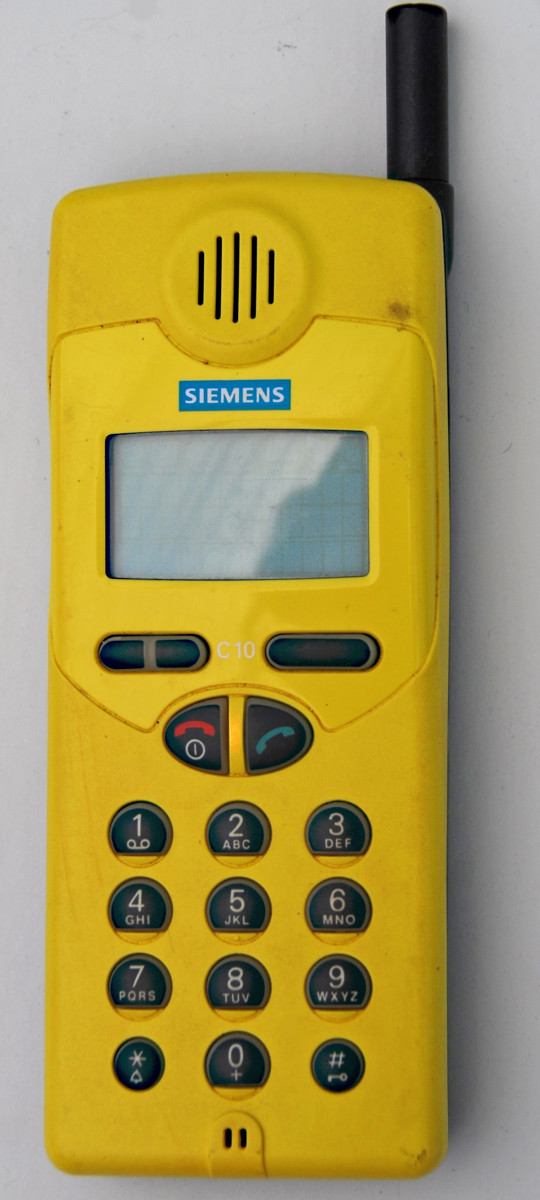
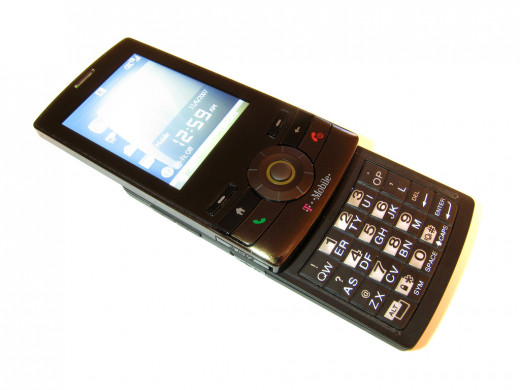
Finally we have the basic phones. Basic phones are made by almost every phone manufacturer and offer very few bells and whistles. Most will have a keypad or slide out keyboard, a basic camera and a screen.
Before you make your choice, or jump for a basic phone, ask yourself this:
"What benefit could I get from a smart phone?"
Would you truly benefit from being able to stay connected 24/7? Would it make life that much easier to have apps to help you with certain tasks or a GPS on your phone, anywhere you go?
I often find myself on Google looking for an answer to a question that has come up while I’m on the go. For me, my smartphone is an invaluable asset.
Who a basic phone would best serve:
If you're not the type to need to check your email or Facebook every 15 minutes, this may be the best choice for you. There are no apps or internet features to worry about; so you could save a ton of money each month without having the requirement of a data plan looming over your head.
Prepaid vs. Contracts
One of the biggest questions I encounter is whether a customer should consider a contract or just go with a prepaid phone service. There are many aspects of each - coverage, price and handset quality being the biggest things to consider.
Service:
While many prepaid carriers now offer full-fledged access to the big name carrier's networks, some things are still lacking. Often when using a prepaid carrier you will get bottom-of-the-shelf customer service. This includes things like technical support, billing help, etc.
To add to this, many times when you use a third party carrier the network space is leased from the larger carrier. Being that you are an indirect customer you will get a lower preference ranking on the network. Meaning, when the network becomes congested you lose service. Granted, this may not be an issue day to day in your town; if a mass emergency like 9/11 or a large event such as the ball dropping on New Year's causes a large spike in network traffic, you may not get to get to call Mom back home and tell her about it until traffic slows down.
Phones:
Handset quality is very much an issue, as stated above. Phone manufacturers are in it for the profit. Do you think they'd make more money securing the contract for their shiny new phone on Verizon, or on a lesser-populated carrier like Virgin Mobile? The good handsets are going to Verizon (or to other contract-based carriers,) no contest.
That being said, there are some very nice options available. You could always buy a phone at full retail or even second hand and have it unlocked, as long as its frequencies are compatible with the network you want to use it on. Another option is buying a phone at full retail that is already unlocked for use on any network. The Nexus 5 for example is a relatively cheap option that offers top-tier hardware and is available directly through Google.
Price:
Price is also to be taken into consideration. The plan prices will almost always be lower with a prepaid service. But as shown above, you will get what you pay for in the long run, in terms of service and coverage. Also, you will have to pay more for a handset. Say there were two identical Androids available on both contract and prepaid. On contract the price would be 50 dollars, on prepaid you'd see something much more like 300 or possibly higher!
That being said, prepaid services are in fact cheaper in the long run. As an example, take $45 per month, with $350 put out for the phone vs. $90 per month, with $50 put out for the phone. It will cost $1430 for two years on prepaid, including the cost of the phone vs. $2210 for years on contract, including price of the phone.
Contracts:
The largest complaint for contract phones I encounter has to be the fact that you are locked into a two year contract. This really isn't as bad as most people make it out to be; most people just don't understand the actual purpose of the contract. The contract was designed to be your obligation for paying off your phone. The price you pay at the counter when you buy the phone is really just a down payment - the rest of the price is factored as part of your monthly plan. Most new smartphones have prices up to, and sometimes over, $800! If you don't fulfill your 2 years, then you never finished paying for your old phone.
The downside is, as everyone realizes, now you're locked in. You can't get mad and change carriers, without shelling over a hefty cancellation fee.
So Which is Better - Prepaid or Contract?
Issue
| Contract
| Prepaid
|
|---|---|---|
Tech Support
| Winner
| Loser
|
Price - Overall
| Loser
| Winner
|
Price - To start
| Winner
| Loser
|
Network - Average Day
| Tie
| Tie
|
Network - Major Traffic Days
| Winner
| Loser
|
That is for you to decide for your own needs and purposes.
In Conclusion
Now that I've outlined a few benefits and features of each kind of phone, It is entirely up to you to figure which would work best for you. Remember to ask yourself "How would this help me?" and don't be afraid to ask for help or continue researching. You have to live with the choice you make for the next 2 years, be sure to make the choice the right one, the first time.
A few sites to help you:
PhoneScoop
GSMArena
I hope I've helped you on your path to the right phone!